

Multilayer Perceptron: Solving XOR Problem from Scratch in Python In this blog we are going to explore how non-linear problem like XOR can be solved using multi layer perceptron. We have already tried how to apply multi layer perceptron on majority function please have a look here. We all are familiar with single layer perceptron […]
Year: 2022

Taking Data Apps into WebApp: Using Streamlit, Plotly, and Python
Introduction From the past 2 stories of a data and its journey to confess the insights, we have explored several areas and to point out few: We have done EDA based on descriptive and inferential part of the statistics to find strong evidences, relationships and facts about the data. We used some of valuable insights […]
Multilayer Perceptron Using Majority Function From Scratch
Multilayer Perceptron (MLP) We all know that single layer perceptron are commonly used to classify problems that are linearly separable. If we choose a single layer perceptron for a non-linearly separable problem, the results may not be successful. As a result, we must look for an alternative solution to a non-linear problem, and one such […]
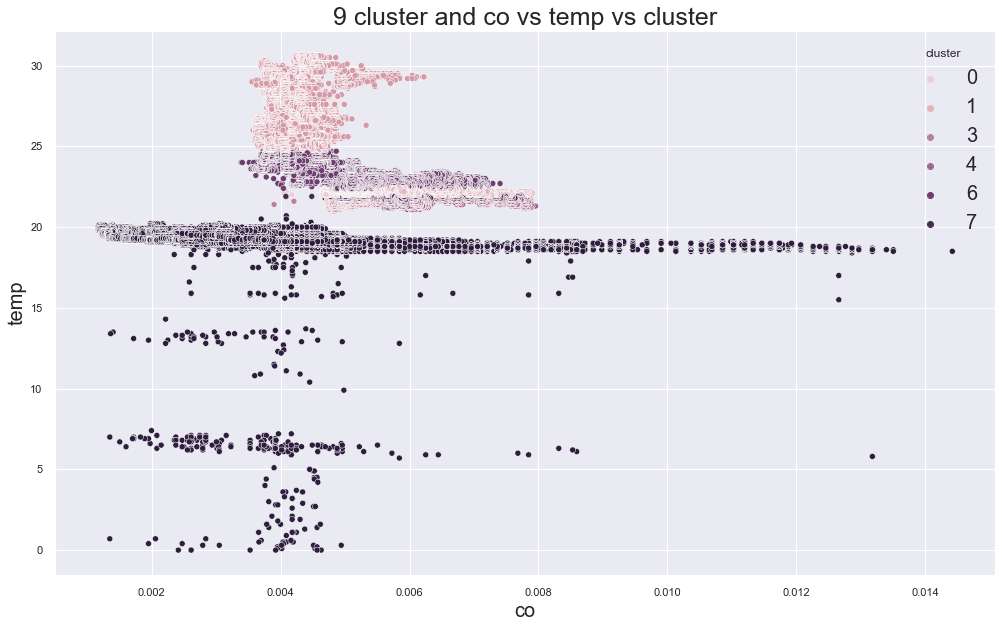
Beyond and Within EDA: Taking EDA into Modelling
Beyond and Within EDA Introduction This blog is the continuation of the previous blog post A General Way of Doing EDA. Please follow that before reading this blog. Once we got the knowledge of the data like its properties and features, we can move ahead by taking that knowledge to make some sort of inference. […]

Single Layer Perceptron From Scratch
This blog contains the introduction to perceptron using Python. Artificial Neuron Network The term "neural network" refers to an artificial neural network (ANN) (NN), which is a computational paradigm inspired by the way the human brain or nervous system performs computation. Perception, pattern recognition, motor control, and other computations are all performed by the brain, […]

Tweet Scraping with Tweepy
Tweet Scraping can be done with different ways but one of the reliable ones is using Tweepy and Tweeter’s developer API. In this blog we are going to explore how we can do Tweet Scraping using Twitter’s API and Tweepy. The API calls are handled by Tweepy and we only need to give it Keys. […]
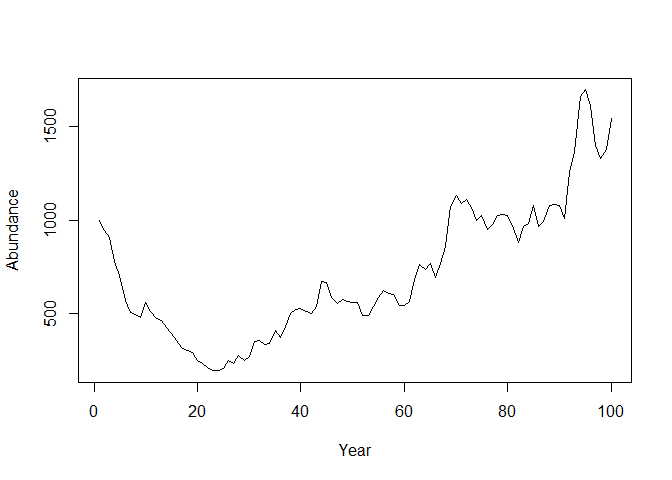
Monte Carlo Simulations in R
Monte Carlo Simulations What is Monte Carlo Simulations? One of the main motivations to switch from spreadsheet-type tools (such as Microsoft Excel) to a program like R is for simulation modeling. R allows us to repeat the same (potentially complex and detailed) calculations with different random values over and over again. Within the same software, […]

A General Way to Perform an EDA
EDA: Introduction Hello everyone, welcome back to another new blog where we will explore different ideas and concept one could perform while performing an EDA. In simple words, this blog is a simple walk-through of an average EDA process which might include (in top down order): Data Loading: From various sources (remote, local) and various […]

Different Hypothesis Testing Using R
What is Hypothesis Testing It is a type of inferential statistics that involves extrapolating results from a sample (random) to the entire population. It is used to make decisions based on statistical tests and models that use the p-value, also known as the Type I error or alpha error. Type I Error : When we […]

MySQL: Triggers
Triggers in MySQL and SQL Triggers in SQL is a way to invoke something as a response to the events on the table in which Trigger is attached. The example of the event can be Insert, Update, Delete. Triggers are of two type, Row Level and Statement Level. The row level trigger is triggered for […]